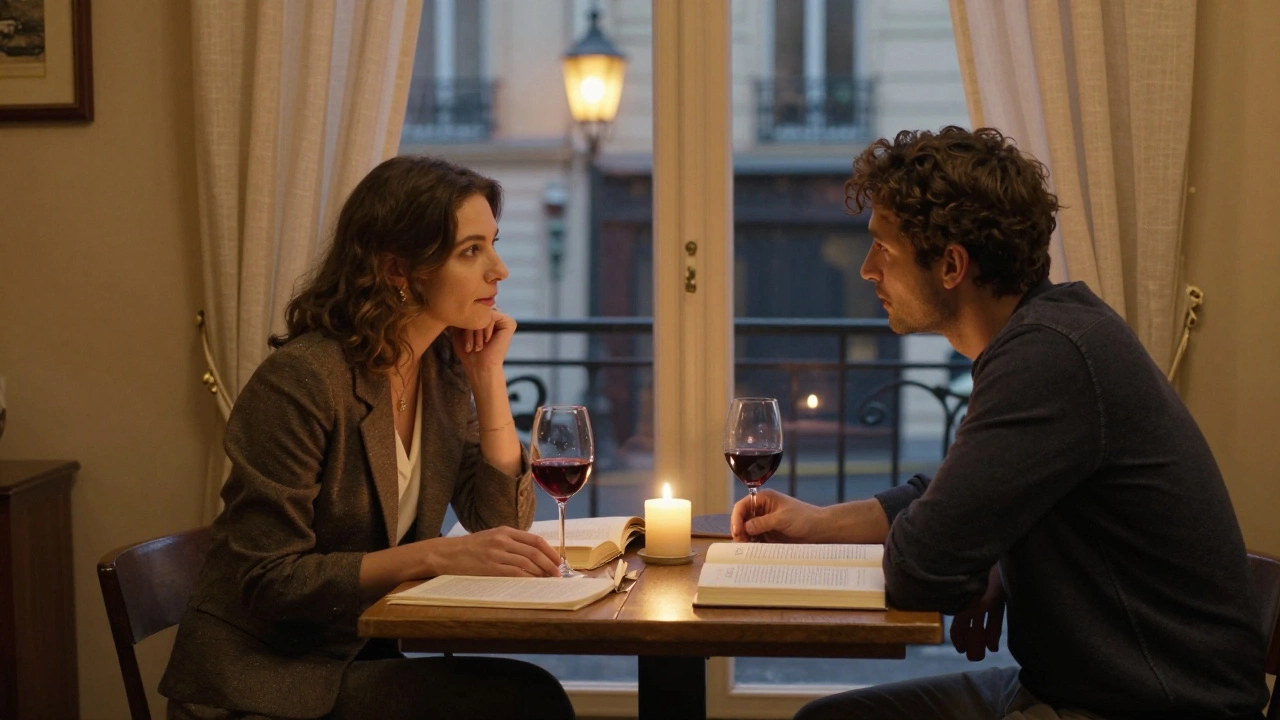
France has long been known for its romance, art, and fashion-but in recent years, it’s also become a hub for independent companionship services that draw attention from across Europe. Unlike organized agencies in other countries, many escorts in France operate as private professionals, offering personalized experiences rooted in discretion, culture, and mutual respect. This isn’t about stereotypes or sensationalism. It’s about real people choosing how they want to earn a living, often blending companionship with intellectual connection, travel, and emotional intelligence.
Some clients seek more than just physical presence-they want someone who can discuss literature over dinner in Saint-Germain, navigate the Louvre with insight, or simply listen without judgment. For those looking for a refined experience, sex model in paris is one term that occasionally surfaces in online searches, though it’s often misused. The reality is far more nuanced: these individuals are not defined by labels, but by their choices, boundaries, and professionalism.
Why France Stands Out in European Companionship
France’s legal framework around prostitution is unique. While selling sex isn’t illegal, buying it is-since 2016, clients can be fined up to €1,500. This law was meant to reduce demand, but it had an unexpected side effect: it pushed the industry further underground and toward independent, self-managed professionals. Many now work as private companions, offering services that blur the line between escorting and high-end dating. They set their own rates, choose their clients, and often work with a network of trusted referrals.
This model favors quality over quantity. A typical Parisian escort might host one or two clients per week, not because they’re scarce, but because they prioritize meaningful interactions. Many have degrees in art history, speak three or more languages, or have backgrounds in theater and performance. They’re not hiding-they’re curating.
The Reality Behind the Myths
Media often paints a picture of desperation or exploitation, but that’s not the full story. Interviews with independent escorts in Lyon, Marseille, and Bordeaux reveal a different pattern: most entered the field voluntarily, after exploring other careers. Some were models, actors, or writers who found companionship work offered more freedom than traditional jobs. Others were students who needed flexible income to fund their education without taking on debt.
One woman in her early thirties, who works under a pseudonym in Paris, told a journalist in 2024: “I don’t sell sex. I sell time. And I decide how that time is spent.” She spends her afternoons at cafés with clients discussing philosophy, her evenings at opera performances, and her weekends traveling to the French Riviera. Her clients are lawyers, entrepreneurs, and retired diplomats-not the caricatures you see in movies.
What Clients Actually Want
Surveys conducted by independent research groups in 2024 show that over 70% of clients in France prioritize emotional connection over physical intimacy. Many seek companionship after divorce, loss, or long-term isolation. Others are travelers who want a local guide who knows the hidden corners of the city-not just the tourist traps. A man from Berlin, who booked a weekend in Lyon, said: “I didn’t need a sex girl paris. I needed someone who remembered my favorite wine and knew where to find the best croissants outside the guidebooks.”
That’s why many escorts in France offer tailored experiences: a private tour of Montmartre at sunset, a cooking class in Provence, or a quiet evening reading poetry by candlelight. These aren’t transactions-they’re moments. And they’re often booked months in advance.
Paris Escort Girl: More Than a Label
The term “paris escort girl” gets thrown around a lot online, but it rarely captures the truth. In Paris, many professionals avoid that label entirely. They use terms like “companion,” “consultant,” or “cultural host.” Some even have LinkedIn profiles. One woman, who previously worked in luxury retail, now runs a boutique service called “La Vie Élégante.” Her website lists no photos, no prices, and no explicit services. Instead, it features book recommendations, poetry selections, and a short bio about her love of jazz in Saint-Germain.
Her clients are vetted through interviews and references. She doesn’t meet strangers. And she’s not alone. Across the city, a quiet revolution is happening-not in the streets, but in the quiet apartments and rented villas where people connect on human terms.
How to Find Reliable Companions in France
If you’re looking for a genuine experience, avoid platforms that list photos, prices, and availability like hotel rooms. The most respected professionals in France use word-of-mouth networks, private forums, or trusted introductions. Many require a detailed application, including a short video call or written introduction. They ask about your interests, your travel history, and what you’re hoping to gain from the meeting.
Red flags include: instant booking, no conversation before meeting, demands for cash only, or pressure to perform. Legitimate companions will never rush you. They’ll ask questions. They’ll set boundaries. And they’ll respect your silence as much as your words.
Travel Tips for Those Visiting France
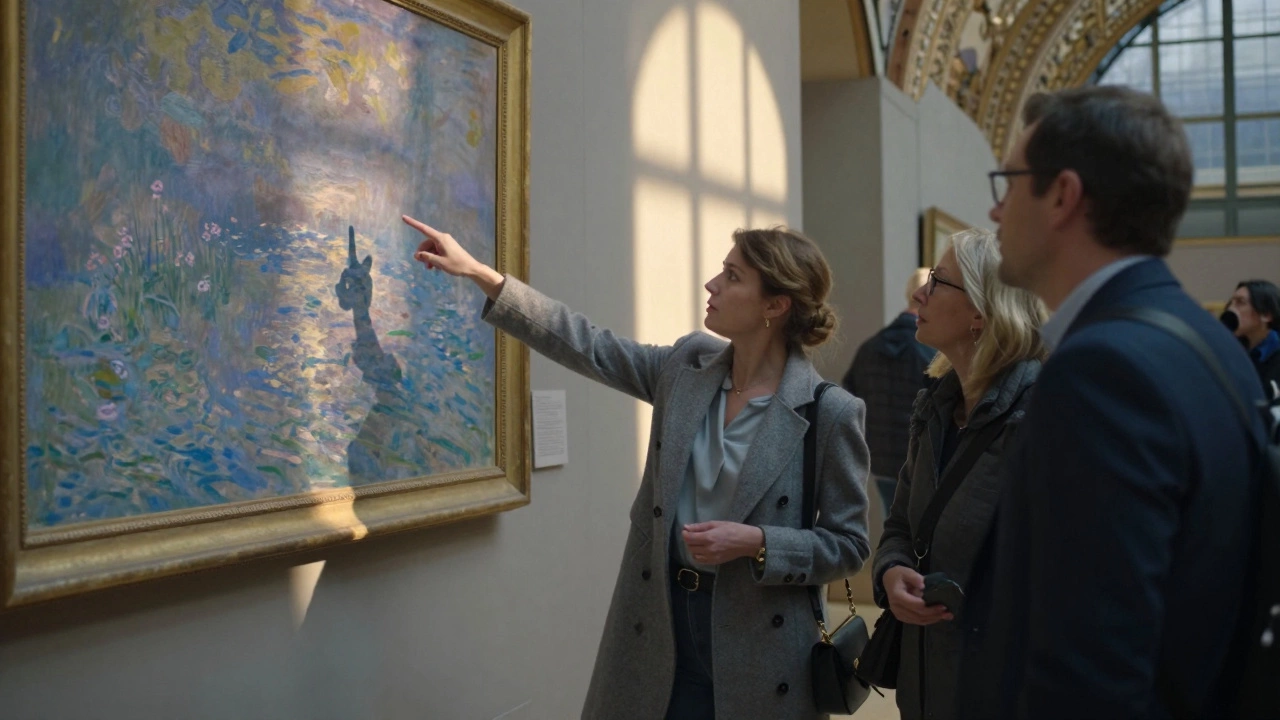
If you’re planning a trip and considering companionship as part of your experience, remember: France is not a place to “find” someone. It’s a place to meet someone-if you’re open to the right kind of connection. Start by exploring cultural spaces: book a private tour at the Musée d’Orsay, attend a jazz night in Le Marais, or join a small literary salon. These are the places where real connections begin.
Also, understand local norms. Public displays of affection are common, but overt solicitation is not. Don’t approach strangers on the street. Don’t use apps that promise “instant dates.” The best experiences come slowly, quietly, and with mutual interest.
The Bigger Picture
France’s independent escort scene reflects a deeper cultural shift: the rise of personal autonomy, the rejection of traditional career paths, and the demand for authentic human connection in a digital age. These professionals aren’t outliers-they’re part of a growing movement of people who refuse to be boxed into roles society expects them to play.
They’re artists, scholars, travelers, and thinkers who chose a different way to live. And in doing so, they’ve turned companionship into an art form-one that values presence over performance, depth over duration, and dignity over discretion.
Next time you hear the phrase “sex girl paris,” pause. There’s a whole world behind that label-and it’s far more interesting than the clickbait suggests.